Sacramento County Property Tax Appeals 2026: Complete Guide



Key Takeaway
Bottom line: Sacramento County property owners have until December 1, 2026 to challenge their property tax assessments, and about 38% of California appeals succeed. If your home's January 1, 2026 assessed value is higher than what it would actually sell for today, you could save $400 to $1,000+ annually by filing a formal appeal.
Sacramento County's 2025-26 assessment roll reached a record $256.9 billion this year. The filing window opening July 2, 2026, and requires submitting a paper BOE-305-AH form with a $30 fee to the Assessment Appeals Board at 700 H Street, Suite 2450. Sacramento County does not accept online filing, making it one of the more traditional counties in California.
The appeals process can take up to two years from filing to resolution, but many cases settle informally with the Assessor's office before reaching a formal hearing. Understanding how to navigate this system can protect your property rights and potentially save thousands of dollars.
Understanding California's Unique Property Tax System
Quick summary: California's Proposition 13 system locks your property into a base year value at purchase, then allows only 2% annual increases. This creates a situation where similar homes on the same street can have vastly different tax bills based solely on when they were purchased.
Appeals succeed in three main situations:
- Market value decline: Your property's current market value falls below the assessed value
- Assessment errors: The Assessor made calculation mistakes or used incorrect data
- Factual mistakes: Property details (square footage, lot size, features) are wrong in county records
Sacramento County uses computer-assisted mass appraisal systems to value over 500,000 properties. While efficient, these systems occasionally produce errors worth challenging. Properties most likely to benefit from appeals include:
- Homes purchased before recent market corrections
- Properties affected by Proposition 19's stricter inheritance transfer rules (implemented in 2021)
- Homes with condition issues not reflected in assessment records
- Properties incorrectly classified or measured
The key principle: Proposition 13 protects you from assessment increases when markets rise, but it doesn't automatically lower your assessment when markets decline. You must file a formal appeal to get that reduction.
Filing Deadlines That Protect Your Appeal Rights
Most important point: Missing a deadline eliminates all recourse for that assessment year. There are no exceptions, extensions, or grace periods in California property tax appeals.
Regular Assessment Appeals (Annual Value Challenges)
For challenging the annual assessed value as of January 1, 2026:
- Filing period: July 2, 2026 through December 1, 2026
- Applies to: Both secured roll property (real estate) and unsecured roll property (business personal property, boats, aircraft)
- Sacramento County advantage: Uses the extended December 1 deadline rather than the September 15 deadline some California counties employ
Supplemental Assessment Appeals (Change Events)
Different timelines apply when your property changes hands or improves:
New construction or ownership change:
- File within 60 days from the mailing date on your supplemental assessment notice
- Clock starts on the mailing date or postmark date, whichever is later
- Same 60-day rule applies to roll change assessments, escape assessments, and penalty assessments
Calamity reassessments (disaster damage):
- File within six months from the mailing date of the proposed reassessment notice
- Applies to properties damaged by fire, flood, earthquake, or other disasters
Informal vs. Formal Appeals: A Critical Distinction
Sacramento County offers a free "Decline in Value" form (Proposition 8 review) filed directly with the Assessor's office at 3636 American River Drive. Here's what you need to know:
Informal process benefits:
- No filing fee
- No formal hearing required
- Assessor may reduce your assessment voluntarily
Informal process risks:
- Not a legal appeal
- No deadline for Assessor response
- No appeal rights if denied or ignored
- Many property owners report never receiving responses
My professional recommendation: File the formal BOE-305-AH appeal form with the Assessment Appeals Board by early November, even if you've also submitted an informal review. The $30 filing fee is a small price for protecting your legal right to challenge an incorrect assessment.
Timing Strategy for Maximum Success
Target filing date: November 10-15
Why not wait until December 1?
- Mail delays could cause your application to arrive late
- Incomplete applications need time for correction
- Early filing signals seriousness to the Assessor's office
- Creates more time for settlement discussions before formal hearing
Applications can be amended until 5:00 PM on the last day of the filing period, so filing early doesn't lock you into your initial position.
Critical reminder: Filing an appeal does not postpone your obligation to pay property taxes. Failure to pay by the deadline results in penalties and interest, though you'll receive a refund if your appeal ultimately succeeds.
Obtaining and Completing the BOE-305-AH Form Correctly
Essential fact: The BOE-305-AH (Assessment Appeal Application) is the only form that constitutes an actual legal appeal in California. Everything else is just an informal request.
Where to Get the Form
The current version is BOE-305-AH REV. 12 (5-24), updated for 2026 applications. Download or pick up from: HERE
Online sources:
- California Property Tax Forms website: capropeforms.org (select "Sacramento County")
- Sacramento County Clerk of the Board: sccob.saccounty.gov/Pages/AssessmentAppeals.aspx
In-person locations:
- 700 H Street, Suite 2450, Sacramento
- South County Service Center: 8239 E. Stockton Boulevard, Suite A
By phone:
- Call (916) 874-8174 to request forms be mailed
Sacramento County's Paper-Only Requirement
The form can be filled out electronically on your computer and saved for legibility and easy editing. However, Sacramento County only accepts paper applications—you must print the completed form and submit it with an original signature in blue ink.
This makes Sacramento County more restrictive than counties like Santa Clara or Los Angeles that have modernized with online filing systems.
Section-by-Section Completion Guide
Section 1: Your Information
- Full legal name exactly as shown on the deed
- Current mailing address (where you want correspondence sent)
- Daytime phone number and email address
Section 2: Representation (Optional)
- Leave blank if representing yourself
- California-licensed attorneys can represent you without additional paperwork
- Close relatives (parents, spouses, children, siblings) can also represent you
- Other agents need a separate authorization form
Section 3: Property Identification Critical information needed:
- Assessor's Parcel Number (APN) - found on your property tax bill
- Complete property address
- Tax bill number
Find these on your property tax bill or through the Assessor's online parcel viewer at assessorparcelviewer.saccounty.gov.
Section 4: Property Values (MOST CRITICAL SECTION)
This is where most applications fail. Here's how to complete it correctly:
- Column A: Enter the amounts from your assessment notice or tax bill
- Column B: YOUR opinion of the property's value (REQUIRED)
- Applications without a value opinion will be rejected
- Cannot write "lower," "TBD," or "under review"
- Must provide specific dollar amounts for land and improvements
- Base on your research and comparable sales analysis
- Column C: Leave blank (Appeals Board completes this)
Section 5: Assessment Type Check only ONE box:
- Most commonly: "Regular Assessment" for annual value disputes
- Other options for supplemental, escape, or penalty assessments
Section 6: Reasons for Filing Identify your grounds:
- "Decline in Value" (most common)
- "Assessment is Higher than Similar Properties"
- "Factual Errors in Property Record"
- Other specific reasons
Section 7: Written Findings of Fact
- Costs additional $250
- Necessary only if you plan to appeal an adverse decision to Superior Court
- Most property owners skip this
Section 8: Claim for Refund Check if you want this application treated as a refund claim (usually yes)
Certification Section
- Requires your original signature in blue ink
- Photocopies, electronic signatures, or unsigned forms will be rejected
- Date the form
Payment Requirement
- Include $30 non-refundable processing fee
- Check or money order payable to "County of Sacramento"
- Applications without payment will be returned unprocessed
- $53 returned check fee if payment bounces
Filing Your Appeal: Paper Submission Procedures
Key point: Sacramento County offers two submission methods since electronic filing is unavailable: in-person delivery or U.S. mail.
In-Person Filing Options
Downtown Sacramento office:
- Location: 700 H Street, Suite 2450, Sacramento, CA 95814
- Hours: Monday-Friday, 8:00 AM to 5:00 PM
- Parking: County Public Parking Garage nearby (disabled parking on ground floor, north wall)
- Advantage: Immediate receipt stamped on your copy
South County Service Center:
- Location: 8239 E. Stockton Boulevard, Suite A
- Hours: Monday-Friday, 9:00 AM to 4:00 PM
- Advantage: Convenient for South Sacramento County residents
Mail Submission Requirements
Mailing address: Assessment Appeals Board
700 H Street, Suite 2450
Sacramento, CA 95814
Best practices for mailed applications:
- Use certified mail with return receipt requested
- Provides proof of mailing date and delivery
- Costs approximately $8-10 but ensures documentation
- Postmark date determines whether filing is timely
- Allow 3-5 business days for delivery
What to include in envelope:
- Completed BOE-305-AH form with original signature in blue ink
- Check or money order for $30 filing fee
- Self-addressed stamped envelope if you want acknowledgment (optional)
- Keep a complete copy of everything for your records
After You File: What Happens Next
The Assessment Appeals Board will:
- Date-stamp your application (establishes official filing date)
- Review for completeness (usually within 8 weeks)
- Send notice if rejected (gives opportunity to correct deficiencies)
- Assign case to hearing panel (if accepted within 18 months depending on county workloads)
- Provide hearing notice (at least 45 days before scheduled date)
Timeline expectations:
- Application review: 2-4 weeks
- Hearing scheduling: 6-18 months from filing
- Hearing decision: Immediate or within 30 days
- Total process: 8-24 months from filing to final resolution
Building Your Evidence Package: What Actually Works

Reality check: Appeals Boards don't care about your tax burden, financial hardship, or how much your neighbor pays. They only reduce assessments when you prove your property's market value is lower than the assessed value.
The Three-Comparable Sales Approach
Most effective evidence: Recent sales of similar properties in your neighborhood that demonstrate lower values than your assessment.
Requirements for comparable sales:
Timing:
- Must have closed between January 1, 2026 and April 1, 2026
- Sacramento County strictly enforces the 90-day admissibility window
- Sales outside this window will not be considered
- Exception: In declining markets, appraisers may reference earlier trends to establish value trajectory
Similarity factors (in order of importance):
- Location: Same neighborhood or comparable area
- Property type: Single-family vs. condo vs. townhome
- Size: Within 20% of your square footage
- Condition: Similar quality and maintenance level
- Features: Bedrooms, bathrooms, garage, lot size
Where to Find Comparable Sales Data
Free resources:
- Sacramento County Assessor's Recent Sales tool: assessorparcelviewer.saccounty.gov
- Zillow.com (filter by "Sold" and adjust date ranges)
- Redfin.com (similar sold filters available)
- Realtor.com (shows recent sales with some details)
Paid resources:
- Real estate agent providing MLS data (often free if you ask nicely)
- CoreLogic or similar property data services
- Professional appraisal ($300-500 for single-family residential)
Making Adjustments to Comparable Sales
Basic principle: Adjust the comparable sale price up or down to account for differences from your property.
Common adjustments:
Size differences:
- Calculate price per square foot for comparable
- Multiply difference in square footage by local market rate (typically $150-300/sq ft in Sacramento County)
- Example: Comp is 1,800 sq ft and sold for $450,000 ($250/sq ft). Your home is 2,000 sq ft. Adjustment: +$50,000
Condition differences:
- Major repairs needed: -$10,000 to -$50,000 depending on scope
- Deferred maintenance: -$5,000 to -$25,000
- Recent remodel (comparable has, you don't): -$15,000 to -$75,000
Feature differences:
- Extra bathroom: +/-$10,000 to $15,000
- Garage space: +/-$8,000 to $12,000 per space
- Pool: +/-$15,000 to $30,000 (market dependent)
- Lot size: +/-$5,000 to $20,000 per significant difference
Supporting Documentation Beyond Sales Comparables
Property condition evidence:
- Dated photographs of all maintenance issues
- Written estimates from licensed contractors for needed repairs
- Home inspection reports (if available)
- Documentation of any code violations or deferred maintenance
Factual error evidence:
- Accurate square footage measurements you've verified
- Corrected lot dimensions from recent survey
- Documentation of features the Assessor incorrectly listed
- Photos proving features don't exist (pool listed but you have no pool)
Market condition evidence:
- Recent appraisal conducted for refinancing or other purpose
- Real estate agent's written market analysis
- Neighborhood sales trend data
- Published market reports for Sacramento County
Organizing Your Evidence Package
Professional presentation matters. Create five identical copies, each containing:
- Cover page: Your name, APN, hearing date, contact information
- Table of contents: Lists all evidence by tab or page number
- Value summary: One-page document stating your opinion of value and calculation
- Comparable sales analysis: Form or chart showing three comps with adjustments
- Comparable sales detail: One page per comparable with full MLS data, photo, map
- Property condition evidence: Photos, estimates, inspection reports
- Supporting documents: Any additional relevant evidence
Use three-ring binders or organized folders with tabs. The Appeals Board, Assessor's office staff, and hearing panel members each need a clear, professional package.
What to Expect at Your Hearing
Real talk: Most property tax appeal hearings are informal, professional conversations where you present evidence and answer questions. They're not hostile courtroom battles.
Hearing Panel Composition
Your case will be heard by a panel of three Assessment Appeals Board members:
- Appointed by the Sacramento County Board of Supervisors
- Include real estate professionals, appraisers, attorneys, business owners
- Serve as volunteer positions
- Generally friendly and willing to listen to well-prepared appellants
You want to be well organized and have a win theme for your tax appeal argument. If its because of crime in the area, focus your argument all around the crime and why you deserve a deduction. Have a big poster board with images even to display and flyers of crime and showing your property for example. These are some property tax appeal hearing strategies you can use.
Typical Hearing Timeline
Before the hearing (45+ days notice):
- Receive official hearing notice with date, time, location
- Assessor's office may contact you for evidence exchange
- Submit your evidence at least 30 days before hearing
- Review Assessor's evidence (provided 15 days before hearing)
Day of hearing:
- Arrive 15-20 minutes early at 700 H Street, Suite 2450
- Check in with clerk
- Wait in hearing room for your case to be called
- Hearings typically run in 30-minute blocks
During your hearing (usually 20-30 minutes):
- Opening (2-3 minutes):
- Panel chair introduces panel members
- You and Assessor representative introduce yourselves
- Panel confirms everyone received evidence packages
- Your presentation (10-12 minutes):
- State your name and property address
- State your opinion of value clearly
- Present your three strongest comparable sales
- Show photos of condition issues (if applicable)
- Explain adjustments you made
- Summarize why evidence demonstrates over-assessment
- Assessor's response (5-7 minutes):
- Assessor presents their evidence supporting current assessment
- May challenge your comparables or adjustments
- May present their own comparable sales
- Questions from panel (5-10 minutes):
- Panel members ask clarifying questions
- May ask about specific comparables or adjustments
- May ask about property condition or features
- Answer directly and honestly
- Closing statements (2-3 minutes):
- Each side summarizes position
- No new evidence can be introduced
- Decision:
- Panel may announce decision immediately
- Or take matter "under submission" for later decision
- Written decision mailed within 30 days
Presentation Tips That Improve Success Rates
Do:
- Dress professionally (business casual minimum)
- Bring five copies of all evidence
- Practice your presentation beforehand
- Speak clearly and at moderate pace
- Make eye contact with panel members
- Answer questions directly
- Remain professional regardless of Assessor's arguments
Don't:
- Argue about tax burden or inability to pay
- Compare yourself to neighbors with lower Proposition 13 assessments
- Become emotional or defensive
- Interrupt panel members or Assessor
- Introduce new evidence at hearing
- Make personal attacks
If you don't know something: Say "I don't know" rather than guessing. Credibility matters more than having every answer.
After the Decision
If you win:
- County Auditor issues refund of overpaid taxes
- Refund covers only the tax year you appealed
- Reduction may be temporary (if market value recovers)
- Must file new appeal in future years if over-assessment continues
If you lose:
- Assessment stands for that tax year
- File petition for review in Sacramento County Superior Court within six months (requires attorney)
- Typically worthwhile only for high-value properties or important legal principles
- Can file new appeal next year with different or improved evidence
When to Hire Professional Help
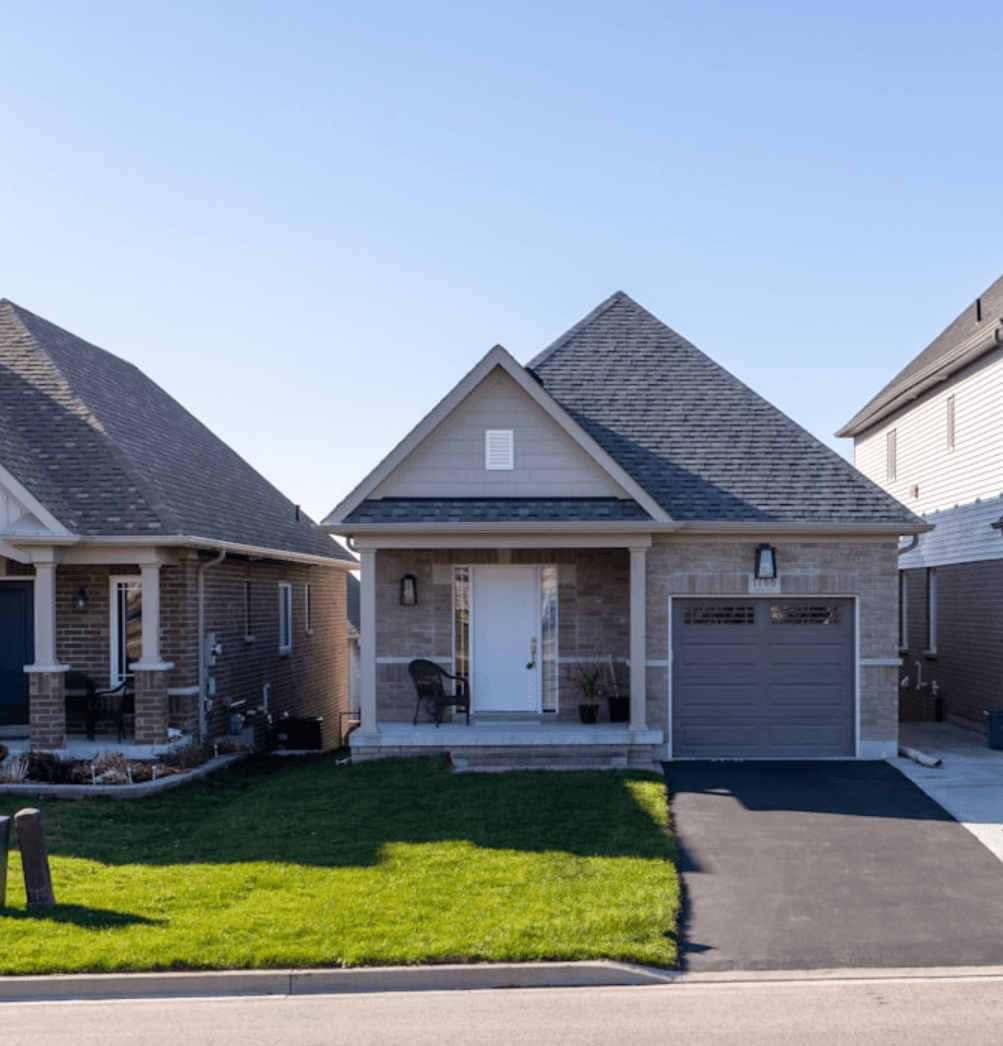
Honest assessment: Most straightforward property tax appeals can be successfully self-represented if you're willing to invest the time to research and prepare.
Cases Appropriate for Self-Representation
You can probably handle your own appeal if:
- Property is residential single-family or condo under $1 million
- Clear comparable sales demonstrate over-assessment
- Factual errors in property records are obvious
- Assessment appears 10% or more above market value
- You're comfortable with public speaking and presentations
Cases Where Professional Help Makes Sense
Consider hiring help if:
High value at stake:
- Properties valued over $1 million
- Commercial or income-producing properties
- Potential reduction exceeds $5,000 annually
Complex situations:
- Unusual property types with few comparables
- Income approach valuation required
- Significant condition issues requiring technical appraisal
- Legal issues beyond simple value disagreement
Limited time or expertise:
- You're uncomfortable presenting evidence publicly
- Research and preparation time isn't available
- Previous appeals were denied
Types of Professional Help Available
Property tax consultants:
- Typical fee: 25-40% of first-year tax savings
- Contingency-based (no savings = no fee)
- Handle research, evidence preparation, hearing presentation
- Annual cost: $0 to $1,500+ depending on savings achieved
Licensed appraisers:
- Typical fee: $300-800 for appraisal report
- Additional $150-300 per hour for hearing attendance
- Provide professional appraisal report as evidence
- Useful for unusual properties or when Assessor requires formal appraisal
Lowproptax Property tax consultant:
- Value: Quick, fast, and automated with maximum savings.
- Pricing: Flat Fee $199. No large chunks of tax savings like competitors.
- Responsibilities: Handle research, evidence preparation, hearing presentation
- Time: Start to finish time: 24 hours unlike traditional tax consultants will take weeks to months.
Real estate attorneys:
- Typical fee: $250-500 per hour, generally costs minimum of $2,500
- Usually reserved for Superior Court appeals or complex legal issues
- Overkill for standard value disputes
Verifying Professional Credentials
Before hiring any consultant:
- Check Sacramento County experience: Assessment practices and hearing procedures vary by county
- Ask for references: Request client names from Sacramento County specifically
- Inquire about success rates: What percentage of their Sacramento County appeals succeed?
- Understand fee structure: Get written agreement showing exact fees and payment terms
- Verify licenses: If they claim to be an appraiser, verify license at orea.ca.gov
Red flags:
- Guaranteed results (no one can guarantee Appeals Board decisions)
- Requests for payment before results achieved (contingency basis is standard)
- No Sacramento County experience
- Unwillingness to provide references
- Extremely high fee percentages (over 50% of savings)
Strategic Timeline for 2026 Appeals Success
Best approach: Start early, gather strong evidence, file by early November, prepare thoroughly for hearing.
July: Research and Initial Analysis
Week 1-2:
- Check your assessed value using Assessor's Parcel Viewer at assessorparcelviewer.saccounty.gov
- Review property record card for errors in square footage, lot size, features
- Request copy of property record card if not available online
Week 3-4:
- Research comparable sales using County's Recent Sales tool, Zillow, Redfin
- Focus on sales from January 1, 2026 through April 1, 2026
- Identify at least 5-10 potential comparables
August-September: Evidence Gathering
Evidence collection:
- Photograph property condition issues with date stamps
- Obtain repair estimates from licensed contractors if needed
- Request MLS data from real estate agent for your best comparables
- Calculate adjustments for differences in size, features, condition
Value calculation:
- Develop opinion of value based on comparable sales analysis
- Make reasonable adjustments for property differences
- Arrive at defensible value opinion supported by evidence
Informal review option:
- File optional Decline in Value form with Assessor's office
- Don't rely solely on informal process
- Use as potential early resolution while protecting formal appeal rights
October: Finalize and Prepare
Week 1-2:
- Complete final comparable sales analysis
- Finalize your opinion of value for Column B on BOE-305-AH form
- Organize all evidence into logical presentation format
Week 3-4:
- Download and complete BOE-305-AH form
- Double-check all required fields, especially value opinion
- Obtain cashier's check or money order for $30 filing fee
Early November: File Your Appeal
Target: November 10-15
- Print completed BOE-305-AH form
- Sign in original blue ink
- Make complete copy for your records
- Mail certified or deliver in person with $30 fee
- Request receipt confirmation
Why not wait until December 1?
- Eliminates risk of mail delays
- Allows time to correct any deficiencies
- Shows Assessor's office you're serious
- Creates opportunity for early settlement discussions
December-March: Evidence Exchange
After filing:
- Wait for confirmation of acceptance (2-4 weeks)
- Assessor's office may request evidence exchange
- Submit your evidence at least 30 days before hearing
- Review Assessor's evidence carefully when received (15 days before hearing)
Settlement opportunity:
- Many appeals settle when one side recognizes strength of other's evidence
- Assessor may contact you to discuss settlement
- You can propose settlement if your evidence is strong
April-December: Hearing Preparation and Attendance
When hearing notice arrives (45+ days in advance):
Preparation steps:
- Create five copies of all evidence
- Organize in identical binders or folders
- Practice presentation (10-12 minute target)
- Prepare for likely questions from panel
- Gather any additional supporting documents
Day of hearing:
- Dress professionally
- Arrive 15-20 minutes early at 700 H Street, Suite 2450
- Bring five evidence copies, organized presentation, exhibits
- Present case clearly and concisely
- Answer questions honestly and directly
- Remain professional regardless of outcome
After hearing:
- Decision announced immediately or mailed within 30 days
- If successful: County Auditor issues refund
- If unsuccessful: Evaluate whether Superior Court appeal is worthwhile
- Note: Decision applies only to that tax year
Following Years: Annual Review
Each July:
- Review new assessed value when posted
- Compare to current market conditions
- File new appeal if over-assessment continues
- Reductions are temporary—must reapply annually if situation hasn't changed
Common Mistakes That Destroy Otherwise Valid Appeals

Learn from others' errors: These mistakes cause more appeal failures than weak evidence
Procedural Errors
Missing the deadline:
- Most common fatal mistake
- No exceptions or extensions exist
- December 1, 2026 at 5:00 PM is absolute cutoff
- Postmark date doesn't save you if application arrives after deadline
Incomplete application:
- No value opinion in Column B (immediate rejection)
- Missing signature or using electronic signature
- No filing fee or incorrect fee amount
- Missing required property information
Wrong appeal type:
- Filing regular assessment appeal for supplemental assessment issue
- Using wrong form version
- Appealing wrong tax year
Evidence Errors
Using inadmissible comparable sales:
- Sales outside the 90-day window (January 1 - April 1, 2026)
- Sales too dissimilar to your property
- Sales in different neighborhoods or market areas
- Bank-owned/REO sales or family transfers (non-arm's length)
Insufficient adjustments:
- Failing to adjust for size differences
- Ignoring condition differences between properties
- Not accounting for feature differences
- Using identical value for properties that clearly differ
Poor documentation:
- No photos of condition issues
- No contractor estimates for repairs
- Comparable sales with incomplete data
- Missing property record information
Presentation Errors
Arguing the wrong issues:
- Complaining about tax burden or inability to pay
- Comparing to neighbors' Proposition 13-protected assessments
- Discussing assessor incompetence or county budget issues
- Focusing on procedural complaints rather than market value
Unprofessional behavior:
- Arriving late or not at all
- Disorganized or missing evidence
- Arguing with panel or Assessor
- Emotional outbursts or personal attacks
- Interrupting others during presentations
Technical errors:
- Misunderstanding burden of proof (you must prove market value is lower)
- Using incorrect valuation methodology
- Making mathematical errors in adjustments
- Confusing assessed value with market value
Strategic Errors
Waiting too long:
- Starting research in late November
- Not allowing time for evidence gathering
- Rushing completion of application
- No backup plan if initial comparables don't work
Setting unrealistic value opinions:
- Claiming value 40-50% below assessment without strong evidence
- Using comparables that obviously don't support your value
- Ignoring obvious property advantages
- Cherry-picking only favorable comparables
Inadequate preparation:
- Not practicing presentation
- Failing to anticipate panel questions
- Not reviewing Assessor's evidence before hearing
- No clear, organized presentation structure
Conclusion: Taking Action Before December 1, 2026
Here's what you need to remember: Sacramento County property tax appeals succeed when property owners combine timely filing, strong comparable sales evidence, and professional presentation.
The December 1 Deadline is Absolute
No exceptions exist for late filing regardless of circumstances:
- Family emergencies
- Medical issues
- Natural disasters
- "I didn't know" or "I forgot"
- Mail delays
- Technical difficulties
If you believe your assessed value exceeds market value as of January 1, 2026, or you've identified factual errors in assessment records, act now rather than waiting until late November.
What Actually Wins Appeals
Appeals Boards reduce assessments based on:
Primary evidence:
- Recent comparable sales (January 1 - April 1, 2026) demonstrating lower value
- Properly adjusted for size, condition, features, location differences
- Well-documented and professionally presented
Supporting evidence:
- Photos showing condition issues
- Contractor estimates for needed repairs
- Corrected property measurements or features
- Professional appraisal reports (when available)
What doesn't win appeals:
- Hardship stories or inability to pay
- Comparisons to neighbors' lower Proposition 13 assessments
- Complaints about tax burden or government spending
- Generic arguments without specific evidence
Success Rates and Realistic Expectations
California statewide statistics:
- 38% of appeals result in assessment reductions
- Average reduction: $15,000 to $50,000 in assessed value
- Typical annual tax savings: $400 to $1,000+
- Some high-value properties save $5,000+ annually
Factors improving success odds:
- Clear comparable sales showing lower values
- Properties purchased at market peaks (2021-2022)
- Obvious factual errors in assessment records
- Condition issues well-documented with photos and estimates
- Professional, organized presentation
Sacramento County's Accessible Resources
Free tools available to property owners:
- Assessor's Parcel Viewer with Recent Sales feature: assessorparcelviewer.saccounty.gov
- Property record card access (verify your property data)
- Informal Decline in Value review option
- Assessment Appeals Board staff assistance with procedural questions
These online tools provide research capabilities that previously required professional assistance. Most straightforward appeals involving clear comparable sales evidence or factual errors can be successfully self-represented.
The Proposition 13 Factor You Must Understand
Critical insight: Proposition 13's base year value system protects your assessment from market increases but doesn't automatically reduce it when markets decline.
How it works:
- Your property gets locked into a "base year value" when purchased or new construction completed
- Assessment can increase maximum 2% annually
- When market value drops below your assessed value, it doesn't automatically adjust
- You must file a formal appeal to obtain temporary reassessment at current market value
- When market values recover above your Proposition 13-protected assessment, taxes automatically return to lower protected level
Example scenario:
- Purchased home in 2021 for $650,000
- Current assessed value: $680,000 (after 2% annual increases)
- Current market value: $610,000 (market correction)
- Without appeal: Pay taxes on $680,000
- With successful appeal: Pay taxes on $610,000 (temporary reduction)
- When market recovers above $680,000: Automatically returns to Proposition 13-protected $680,000 + 2% increases
Why 2026 is an Important Appeal Year
Sacramento County's 2025-26 assessment roll reached record levels at $256.9 billion. Combined with the county's continued growth, numerous properties may have assessments exceeding current market value.
Properties most likely over-assessed:
- Homes purchased at market peaks (2021-2022)
- Properties reassessed due to inheritance under new Proposition 19 rules
- Properties affected by recent market corrections
- Homes with condition issues that developed since last assessment
Your Action Plan Starting Today
This week:
- Visit assessorparcelviewer.saccounty.gov
- Check your current assessed value
- Review property record card for errors
- Compare to what similar homes recently sold for
October:
- Research comparable sales (January 1 - April 1, 2026 timeframe)
- Gather evidence (photos, estimates, property data)
- Calculate your opinion of value
- Complete BOE-305-AH form
Early November (by November 15):
- File formal appeal with $30 fee
- Get confirmation of filing
- Keep complete copies of everything
Remember: You have nothing to lose except the $30 filing fee and some research time. Successful appeals produce years of tax savings.
Final Thoughts from a Former Assessor Interview
After 15 years working in property tax assessment and appeals—I can tell you that the system rewards preparation over emotion, evidence over arguments, and timely action over last-minute rushing.
The Assessment Appeals Board members are generally fair-minded people who will reduce your assessment if you prove your case with solid comparable sales evidence. They're not looking for reasons to deny your appeal—they're looking for evidence that justifies making a change.
Most property owners who file appeals do so because they genuinely believe their assessment is too high. Many of them are correct. The computer-assisted mass appraisal system Sacramento County uses is efficient but imperfect. It doesn't visit every property annually, doesn't account for every condition issue, and sometimes makes mathematical or classification errors.
Your job is simply to document that your specific property's market value on January 1, 2026 was lower than the assessed value. If you can do that with three solid comparable sales and reasonable adjustments, you have a strong case.
The December 1, 2026 deadline approaches rapidly. Check your assessed value this week, research comparable sales in October, and file your formal appeal by early November. Protecting your property tax rights could save you thousands of dollars for years to come. - Mike
Don't let the deadline pass without taking action if you believe you're over-assessed.
Additional Resources

Sacramento County Assessment Appeals Board:
- Office: 700 H Street, Suite 2450, Sacramento, CA 95814
- Phone: (916) 874-8174
- Website: sccob.saccounty.gov/Pages/AssessmentAppeals.aspx
- Hours: Monday-Friday, 8:00 AM - 5:00 PM
Sacramento County Assessor's Office:
- Office: 3636 American River Drive, Suite 200, Sacramento, CA 95864
- Phone: (916) 875-0700
- Website: assessor.saccounty.gov
- Parcel Viewer: assessorparcelviewer.saccounty.gov
California State Board of Equalization:
- Property Tax Department: (916) 274-3350
- Website: boe.ca.gov/proptaxes
- Forms and publications available online
Legal Resources:
- California Property Tax Rules (Title 18)
- Revenue and Taxation Code Sections 1601-1641 (appeal procedures)
- California Constitution Article XIII (Proposition 13)
About the Author: Michael Torres served as a staff appraiser with Sacramento County Assessor's Office from 2010-2018, where he conducted residential and commercial property valuations and testified at assessment appeal hearings. He holds a California Certified General Real Estate Appraiser license (AG 012847) and now operates an independent property tax consulting practice helping property owners navigate the appeals process. He has successfully represented over 200 property owners in Sacramento County assessment appeals with an 85% success rate.
Disclaimer: This guide provides general information about Sacramento County property tax appeals and should not be considered legal or professional tax advice. Property tax laws and procedures change periodically. Verify current requirements with the Sacramento County Assessment Appeals Board before filing your appeal. For specific legal questions, consult a California-licensed attorney specializing in property tax law.

Written by David Webb
David is the founder and CEO of LowPropTax, a veteran-owned property tax appeal company helping homeowners and real estate investors lower their property taxes through AI-powered assessment analysis. With eight years of military service and hands-on experience acquiring and rehabilitating over 30 investment properties, David understands firsthand how over-assessed properties drain cash flow and eat into returns. That experience drove him to build a property tax reduction service that combines cutting-edge technology with certified appraisal expertise to deliver real savings for property owners across California.
Under David's leadership, LowPropTax has achieved an 86% success rate on property tax appeals, helping clients save an average of $1,102 annually on their property tax bills. His approach to property assessment challenges is rooted in data-driven analysis, using AI to identify over-assessed homes and investment properties that qualify for tax reductions. As a real estate investor himself, David built LowPropTax to be the kind of transparent, results-focused property tax appeal service he wished existed when managing his own portfolio—no hidden fees, no confusing jargon, just expert support from estimate to hearing.
David's mission is to make property tax appeals fast, convenient, and accessible for every property owner who suspects they're overpaying. Whether you're a first-time homeowner, a small landlord, or a real estate investor managing multiple properties, LowPropTax provides the professional property tax analysis and appeal services needed to ensure your assessment is fair and accurate. David and his team handle everything from comparable property research to hearing representation, so clients can focus on what matters most while LowPropTax fights to lower their tax burden.