
How to Appeal Property Taxes: A Quick Guide to Reducing Your Annual Assessment


Every year, millions of homeowners overpay on their property taxes simply because they don’t know how to fight their assessment. Research from Realtor.com’s 2025 Property Tax suggests that over 40% of U.S. homes may be over-assessed. Separately, National Taxpayers Union (NTU) president Pete Sepp has stated that only about 3-5% of homeowners actually file an appeal.
The reality is simple: The tax board will never send you a refund check voluntarily. They assess the value of your home using mass appraisal algorithms and move on. Millions in unclaimed savings sit there every year because homeowners assume the government's math is final.
States and Counties with High Property Taxes
Property tax rates vary wildly across the country. According to recent 2025/2026 data from Construction Coverage and Bankrate, these areas currently face the heaviest burdens:
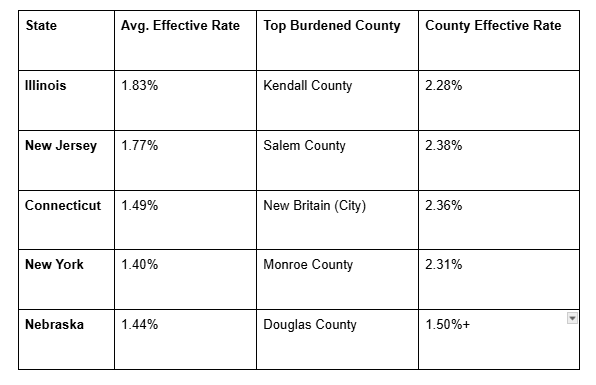
Why Are These Rates So High?
High property taxes are rarely random; they are driven by specific local economic structures:
- Reliance on Property Revenue: States like New Hampshire and Texas, which have no state income tax, rely much more heavily on property taxes than most states to fund state and local government. Property taxes account for roughly 59-60% of New Hampshire's total state and local tax revenue and about 41% of Texas's- among the highest shares in the nation.
- Pension and Education Costs: In states like Illinois and New Jersey, unfunded pension liabilities and a heavy emphasis on local school funding drive millage rates significantly upward.
- The "Mass Appraisal" Flaw: Assessors use computer models to value thousands of homes simultaneously. These models often fail to account for individual property defects, outdated interiors, or localized market dips that a manual appraisal would catch.
Common Reasons for a Successful Appeal
Most overpayments occur because of simple data errors or "invisible" property issues the county hasn't documented. You may have a strong case if you find:
- Inaccurate Property Specs: Your public record might incorrectly list a finished basement, an extra bathroom, or more square footage than you actually have.
- Structural Issues: Hidden damage like foundation cracks, mold, or an aging roof can significantly lower market value, but these aren't visible to an assessor doing a "drive-by" valuation.
- Market Lags: If home prices in your specific neighborhood have dipped but the county’s data is 12–24 months old, you are paying taxes on "ghost value" that no longer exists.
Take Control of Your Home Value
The appeal process is notorious for being complex, time-consuming, and frustrating. It requires gathering "comparables" (comps), filing specific legal forms within strict deadlines, and sometimes presenting evidence in front of a board. For those who do protest, National Taxpayers Union president Pete Sepp has stated that between 30% and 50% win some kind of reduction.
Don't leave your money on the table. Review your property details, check your local assessment deadline, and see how much you can save this year.

Written by Morgan Leskody
Empowering property owners with the data and strategies needed to successfully appeal unfair assessments and achieve permanent tax relief.