
Understanding Property Tax Exemptions: How to Qualify

How to Get a Property Tax Exemption in 2026
To get a property tax exemption, you must meet specific eligibility criteria set by your local jurisdiction, apply with the required documentation, and often provide proof that your property or status qualifies under designated categories—such as homestead, senior citizen, veteran, or nonprofit exemptions. Understanding how to secure a property tax exemption can lead to significant savings every year, yet the process is notoriously confusing.
Picture this: You open your annual property tax bill and, once again, it’s gone up—significantly. You’re not alone. In 2026, average property tax assessments have reached record highs, with many property owners feeling like they’re paying more for city services while getting less in return. It’s the same sinking feeling every year: Why are you paying so much, and is there anything you can do about it? Maybe you’ve heard whispers about property tax exemptions at local meet-ups or seen threads in investor forums promising big tax breaks—but the actual steps seem shrouded in legal jargon and endless paperwork.
Here’s the hard truth: most property owners are leaving money on the table simply because the exemption process is wrapped in red tape and obscure rules. Real estate investors and property managers face even more complexity when juggling multiple properties, appeals deadlines, and ever-changing local laws. And hiring professional help to handle a property tax appeal can feel just as expensive as the original tax bill.
This guide will break down how to get a property tax exemption in 2026 without the confusion, so you can eliminate guesswork and reclaim control over your finances. You’ll learn which exemptions actually matter, exactly how to qualify, and how to navigate the maze of local regulations and application pitfalls. If you’ve ever wondered whether you’re paying more than your fair share, or felt intimidated by the appeal process, you’re in the right place. It’s time to demystify the world of property tax savings and unlock real strategies that put money back in your pocket.
Why Property Tax Exemptions Matter More Than Ever in 2026

Property tax exemptions aren’t just a bonus in 2026—they’re a lifeline for property owners facing consistently climbing assessments. With property taxes rising by about 3% every year over the past five years, ignoring exemptions is a surefire way to leave serious money on the table.
The math is unavoidable. Even a "moderate" property tax bill swallows up more of your budget each year. For property owners holding residential or commercial investments, these hikes feel relentless—not just in California but across much of the U.S. Every time your county updates assessments, there’s a real risk your annual bill leaps upward, especially if you’re not strategic about exemptions or protections like California’s Prop 13. If you want to understand the nuances, exploring what triggers a property tax reassessment can be very informative.
How Much Can You Actually Save?
Here's where things get interesting for 2026: a well-targeted property tax exemption can slash thousands from your bill annually. Take a $300,000 home in California. With the right combination of homeowner, senior, and disability exemptions, savings often reach $2,500 or more every single year. Different states and counties set their own rules, but the savings can be even larger for seniors, veterans, and nonprofit owners. Some exemptions knock a fixed dollar amount off assessed value; others exempt a percentage—so high-value properties benefit even more.
Not taking the time to understand which exemptions you’re eligible for is a huge mistake. You’re handing free cash to your tax assessor.
Why 2026 Is a Tipping Point
Real estate markets in top metros have cooled slightly since 2025, but assessed tax values are still up. New ballot initiatives and legislation—think California Prop 19 and tweaks to Prop 13—have added both complexity and loopholes. Here’s the headline: owners willing to dig in and fight for exemptions are coming out ahead. If you’re not actively managing your assessed value and exemptions, you’re probably paying for someone else’s schools and roads.
And don’t overlook "hidden" assessments like Mello-Roos in California, which can push tax bills far higher. Checking whether your property is subject to Mello-Roos (just Google “how to check Mello Roos” plus your county) is step one in building a real tax-saving plan.
Concrete Example
Say you own a $400,000 home in Texas, which has some of the nation’s highest average tax rates—hovering around 1.6% in 2026. That’s a $6,400 annual hit before exemptions. With a standard homestead exemption, plus a $25,000 school district exemption, you could easily save $1,600 or more per year.
Table: Average Property Tax Rates by State in 2026 and Potential Savings from Exemptions
- California — Avg Tax Rate (%): 0.78 · Tax on $300,000 Home: $2,340 · Typical Exemption: $7,000 (Homeowner) · Annual Savings Potential: $547
- Texas — Avg Tax Rate (%): 1.6 · Tax on $300,000 Home: $4,800 · Typical Exemption: $25,000 (Homestead) · Annual Savings Potential: $1,600
- Illinois — Avg Tax Rate (%): 2.05 · Tax on $300,000 Home: $6,150 · Typical Exemption: $8,000 (General) · Annual Savings Potential: $1,028
- Florida — Avg Tax Rate (%): 0.93 · Tax on $300,000 Home: $2,790 · Typical Exemption: $50,000 (Homestead) · Annual Savings Potential: $465
- New York — Avg Tax Rate (%): 1.5 · Tax on $300,000 Home: $4,500 · Typical Exemption: Varied locally · Annual Savings Potential: $900+
Typical values—actual savings depend on property type and local rules. Source: Cook County Treasurer
Key Takeaway
Property tax exemptions are simply non-negotiable in 2026 if you want to keep more of your money instead of losing it to ever-increasing assessments. The combination of smarter exemption use and awareness of state-specific rules is what separates owners who pay the sticker price from those who manage their tax bill ruthlessly. Missing out means you’re funding someone else’s budget—don’t let it happen.
What Types of Property Tax Exemptions Are Available?
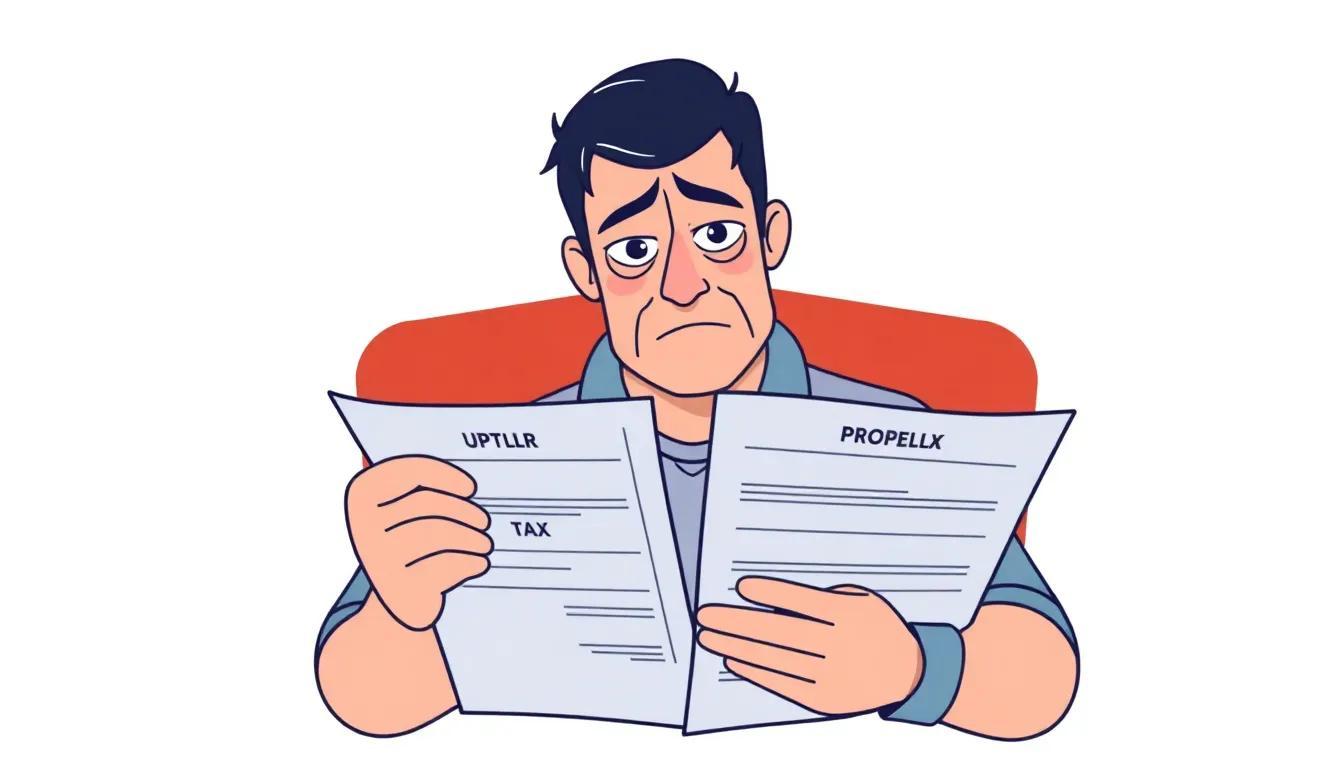
A homeowner in 2026 opens the annual property tax bill and sees another hike—this time, a sharp one. The national average tax bill climbed 6.4% just between 2024 and 2025, and there’s no sign the trend is slowing. Cue the frustration. For most, property taxes keep creeping higher, even as incomes stand still. But here’s the thing: There are proven ways to slash your property tax bill—if you know which exemptions you qualify for.
Which property tax exemptions matter most for homeowners and investors in 2026?
The three heavyweight exemptions—homestead, senior citizen, and veterans/disability—are the difference between living with rising tax anxiety and getting genuine relief. Each targets a different situation, and understanding their mechanics is the first move toward lower taxes.
Homestead exemptions are the bread and butter for anyone with a primary residence. Here’s how it plays out: Suppose your home is assessed at $350,000 and your state offers a $25,000 homestead exemption. The taxable value drops to $325,000, saving hundreds each year. Some states get even more generous if you’re married or have dependents. It’s designed strictly for primary residences, so don’t expect a break on your rental portfolio—but when you’re hunting for ways on how to lower property taxes, this is where you start.
Senior citizen exemptions offer another level of relief, but only kick in if you’re over 65. The rules and amounts vary—from a flat deduction off your home’s value to percentage discounts—but the intent is clear: Let seniors keep more of their fixed income. For example, in some places, those over 65 get the first $20,000–$50,000 of their home’s value tax-free (source). If you’re caring for a parent or mapping your own retirement years, these exemptions aren’t optional—they’re essential strategy.
Veterans and disability exemptions can knock a huge chunk off the tax bill, especially for those with service-related disabilities. Some states grant 100% exemption for veterans with total disability; many counties offer partial exemptions for all honorably discharged veterans. The savings can run well into the thousands each year, making a real difference for those who served and sacrificed.
Do exemption rules really differ that much across the U.S.?
Absolutely—they’re all over the map. New York might cut $30,000 off an assessed value for a qualified homestead account, while Texas could offer up to $40,000. The catch: Each local tax assessor not only sets their own exemption amounts, but can attach paperwork, deadlines, and residency requirements to the process (see Maryland’s breakdown). Missing a deadline or failing annual re-verification is one of the fastest ways to lose out.
Don’t ignore local quirks. For example, California’s legendary Prop 13 caps annual assessment hikes—sparking endless questions about how to avoid property tax reassessment in California, especially with the introduction of Prop 19. These laws have their own exemption criteria and transfer rules, which can be a windfall for longtime owners but a headache for new buyers.
How much can these exemptions actually save you?
It adds up fast. For a $350,000 home, a typical homestead exemption might shave $500–$1,000+ a year off the bill. Stack that with a senior or veteran’s exemption, and you’re easily talking double or triple those savings. In high-tax states, the difference between claiming and missing exemptions could mean selling versus staying.
Bottom line: Exemptions aren’t small print—they’re real money. The right combination can mean thousands back in your pocket. But you need to know the options, read the local regulations, and file correctly.
If rising property taxes are squeezing your budget, missing out on the right exemption is a mistake you can’t afford.
Anyone managing property in 2026—homeowners, investors, or property managers—needs to understand exactly which exemptions they qualify for, how those rules play out locally, and what paperwork gets it done. There’s no substitute for checking your local county’s specifics, since a one-size-fits-all solution simply doesn't exist (Fairfax County offers a detailed breakdown here). If you’re in California and wondering how to avoid property tax reassessment, or if you’re researching how to lower property taxes in California, digging into exemption rules is the place to start.
Ignoring these programs leaves cash on the table—sometimes enough to turn that painful tax hike into a shrug instead of a crisis.
How to Qualify for Property Tax Exemptions
There are over 15 distinct types of property tax exemptions available throughout the U.S., with criteria that can feel like a maze unless you know exactly where to look [Tax Foundation]. If you’re wondering how to get property tax exemption in 2026, the bottom line is this: your eligibility depends on personal factors and the details of your property. Get these wrong, and you’re leaving thousands on the table every single year.
What are the key eligibility criteria for property tax exemptions?
The most common property tax exemptions are based on:
- Residence status (homestead): You must occupy the property as your primary home, usually as of January 1st of the tax year.
- Age: Many senior exemptions kick in at age 65, often with no income restrictions.
- Veteran status: Some states waive all or part of property tax for disabled veterans.
- Disability: Both physical and blindness-related exemptions can wipe out $20,000–$40,000 from your assessed value.
- Income: Low-income homeowners, especially seniors and the disabled, may access extra credits or percentage-based reductions.
Miss one requirement, and the assessor’s office won’t hesitate to deny your application. Every exemption has its own paperwork, deadlines, and fine print—don’t assume anything rolls over year to year.
Eligibility Criteria: A Real-World Example
Take Florida. Retired couples who own and live in their home can stack exemptions: the homestead exemption (up to $50,000 off the assessed value) and the senior exemption (which can add another $50,000 if their income falls below the state bracket). That’s a typical $3,000+ saved, every year, just by checking a few boxes and proving primary residence before the cutoff.
Table: Who Qualifies for the Top Exemptions in 2026?
This table gives you a no-nonsense overview of the top three exemptions, how they work, and who can apply—using real state rules you actually have to deal with.
- Homestead — State: Texas · Core Criteria (2026): Must own and occupy as primary residence by Jan 1; applies to residence only · Typical Benefit: Up to $100,000 of value exempt
- Senior Citizen (65+) — State: Florida · Core Criteria (2026): Owner-occupant, age 65+; income under $35,000 (state cap); must apply annually · Typical Benefit: Extra $50,000 value exemption
- Disabled Veteran — State: Illinois · Core Criteria (2026): U.S. veteran with at least 70% service-related disability; must own and occupy; discharge papers required · Typical Benefit: Up to full property tax exemption
Source: Fairfax County Guide, Cook County Treasurer
Key Steps to Qualify
- Determine which exemptions fit your situation. Are you over 65? Disabled? A veteran? Is this your primary home?
- Check residency and ownership records. Make sure deed/title and license address match—one typo and your application stalls.
- Get supporting documentation ready: tax returns (for income-based exemptions), VA paperwork, doctor’s certification (for disabilities), proof of primary residence.
- Submit applications before the posted deadline. Most deadlines fall between March and May, and you typically reapply if your circumstance changes.
- Follow up. Some counties lose paperwork; don’t count on them to chase you. Verify your exemption appears on your next assessment.
Do you need to reapply every year?
Some exemptions (like Texas Homestead) stick until your ownership or status changes; others (income-based senior credits) require annual renewal. Check your county’s website or call—and don’t expect reminders.
Special Note for California Owners
If you’re trying to avoid property tax reassessment under Proposition 13 or Prop 19, don’t miss key deadlines and reporting requirements. Changing ownership—adding kids to title, for example—can trigger a reassessment if you aren’t careful. Want to know how to lower property taxes in California or avoid reassessment headaches? Research base-year value transfers and parent-child exemptions before making a move.
The key takeaway: Property tax exemption eligibility isn’t guesswork—it’s detailed, state-specific law. If you’re not sure you qualify, don’t just assume. Dig into the requirements or connect with a local expert to avoid a costly mistake. For a deeper understanding, see our detailed article on how to get property tax exemption: eligibility and application.
How to Apply for Property Tax Exemptions
It’s easy to assume property tax exemptions are only for retirees, veterans, or people facing financial hardships. Huge mistake. The reality is, far more property owners qualify than you’ve been led to believe—yet the process can feel like a maze. No surprise: a 2025 Urban Institute survey found that 37% of eligible homeowners never file simply because the rules seem confusing or out of reach.
Here’s the deal: Anyone can apply for a property tax exemption—but you’ll need to nail the paperwork and the deadline. Miss one document or slip past the cut-off date, and you're back to square one with your full tax bill.
What Documentation Do You Need to Apply?
The heart of every exemption application is proof. Proof you live there, proof of your age or status, and proof of your finances—no shortcuts, no guesswork. Typical requirements include:
- Government-issued ID to show you actually reside at the property
- Utility bills with your name and address (think water, electric, or internet)
- Previous year’s tax return if the exemption looks at your income
Not all programs want every item, but these are your starting point. Fumble this step, and your application’s dead on arrival.
When Do You Have to Apply?
Most locales set a strict deadline, usually by March 1st—but don’t assume your county follows the crowd. Some push as late as April 15th, others lock it down in February. For example, in Texas, you can submit everything online through your county tax assessor’s site. In Maryland, paperwork goes directly to the Department of Assessments and Taxation. Miss these dates and you’re stuck waiting until the next cycle—a costly mistake if your taxes just jumped.
▶ How To Apply For Property Tax Exemptions - YouTube
Example: Applying in Texas
Suppose you’ve just moved into a primary residence in Travis County, Texas. You’ll head to the county tax assessor’s website, grab the homestead exemption form, and upload:
- A copy of your Texas driver's license (matching your new address)
- A recent utility bill
- The application itself
Submit before April 30th and you’re in the running for lower taxes this year. Wait until May 1st and your homestead savings vanish—at least until the next year.
What Makes Exemption Criteria So Confusing?
Not every exemption uses the same yardstick. Each program, from senior citizen to solar energy, sets its own eligibility bar. Some look at age, some want a disability certificate, and some (like California’s Prop 13 and Prop 19 rules) are linked to how long you’ve owned the property or if you’re transferring ownership to family. Here’s a visual at-a-glance for the most common types:
- General Homestead — Key Documents Needed: ID, utility bill · Typical Deadline: March 1–April 30 · Special Notes: Primary residence only
- Senior/Disabled — Key Documents Needed: ID, proof of age/disability, tax return · Typical Deadline: March 1 · Special Notes: See local age/disability thresholds
- Veterans — Key Documents Needed: VA paperwork, ID, proof of service · Typical Deadline: March 1 · Special Notes: May include fully exempt or partial
- Solar Energy — Key Documents Needed: Installation receipts, ID · Typical Deadline: Varies by state · Special Notes: Sometimes part of state 'green' initiatives
- Religious/Charitable — Key Documents Needed: IRS 501(c) docs, proof of use · Typical Deadline: March 1 · Special Notes: Only applies to nonprofit-owned properties
Expert insight: Programs like California’s Prop 13 protections mean you’ll want to watch out for property tax reassessment pitfalls when transferring homes to children—or risk much higher bills source. This isn’t just about applying for exemptions but also knowing how to avoid triggering a reassessment that wipes out your savings.
Don’t Make These Application Mistakes
It sounds simple—submit your forms and move on. But here’s where so many go wrong:
- Sending utility bills with mismatched addresses (they must match the exemption property)
- Missing “supporting” docs like a doctor’s note for disability exemptions
- Relying on automatic renewal when local rules demand you reapply each year or after big life changes
Deadlines are not generous, and late filings won’t get sympathy. Check your local tax authority’s site for state-specific forms and double-check requirements, since rules (and online portals) keep evolving.
Key takeaway: Gather every required document upfront and file directly through your county assessor’s platform before the posted deadline. That’s how you unlock savings others leave on the table, year after year.
For more state-specific exemption programs, check reliable government sites like Fairfax County’s exemption resource.
What Are the Challenges in Securing Property Tax Exemptions?
Picture it: You’re a first-time homeowner flipping through a tower of paperwork, squinting at arcane forms, and praying you’re not missing some hidden deadline. That’s the reality for most property owners facing the property tax exemption process for the first time. The truth? The biggest challenge is actually understanding and meeting the specific requirements for each exemption type. It’s never just “fill out this one form, and you’re set.” States—and often individual counties—want exhaustive proof, fast responses, and the right paperwork, or your exemption just isn’t going to happen.
What Makes Property Tax Exemption Applications So Difficult?
Securing a property tax exemption is rarely straightforward. Here’s why so many applications stall out, get delayed, or simply land in the rejection pile:
- Complex, jargon-filled paperwork: Every exemption—from senior citizen to solar equipment—comes with its own maze of forms. Over 22% of applications were delayed or rejected in 2025 because owners left out even a single required document (National Taxpayers Union).
- Strict, inflexible deadlines: Missing a deadline—even by a day—can reset the process for another year. Most jurisdictions won’t give second chances.
- Wildly different rules by state (and even city): An exemption for a veteran in Texas looks nothing like the process for a church in Illinois, or a senior homeowner in California. No universal rules.
- Constantly changing legislation: Recent shifts—like California’s Prop 19, which changed parent-to-child transfer rules—mean what worked last year could be obsolete now. Many owners come up short simply because they’re working from dated checklists.
The bottom line: Trying to secure a property tax exemption without double-checking every requirement and deadline is a surefire way to leave money on the table.
Case Study: Navigating New York’s Property Tax Exemption Labyrinth
Take the story of a property manager overseeing mid-sized apartment buildings in New York City. With rents flattening and property tax assessments surging, shaving off extra tax liability suddenly became urgent. The process looked daunting:
- 17 different forms to collect covering senior, disability, and energy-efficient retrofits,
- 30+ supporting documents (leases, utility bills, tenant certifications),
- Four separate municipal departments, each with its own March deadline.
The manager built a checklist, digitized the paperwork, and tracked every submission. After three cycles of back-and-forth—including a last-minute request for a tenant income attestation—the exemption was finally locked in. That single win delivered $10,000 in annual tax savings to clients, and established a repeatable playbook for future properties.
The Most Common Roadblocks—and How to Clear Them
Failure points repeat over and over. Smart property owners and managers plan for these:
- Incomplete application packets
Double- and triple-check every required form, signature, and supporting document. Create a submission folder with labeled copies, just in case the assessor “misplaces” one.
- Not tracking deadlines
Use a digital calendar with reminders—missing a local window means waiting another year.
- Misunderstanding exemption types
Don’t assume you qualify just because your neighbor does. For example, solar upgrades in Maryland have an entirely separate “Solar Energy Equipment Tax Exemption” application (dat.maryland.gov), with specific technical certifications.
- Failure to adapt to evolving rules
California’s “How to avoid property tax reassessment California Prop 19” is a trending query for a reason—new state laws alter exemption eligibility constantly. Search for official state or county updates each tax year.
Checklist: Your Property Tax Exemption Prep
To stay ahead, make sure you:
- Gather all required proof of eligibility (ownership, residency, income, etc.)
- Download the correct, most current exemption forms from your local tax authority
- Mark all deadlines on your team’s calendar—even for supplemental documents
- Check for recent legislative changes affecting your exemption type
- Follow up after submission and retain stamped copies or digital confirmations
Key Takeaway
Understanding and meeting the exact requirements—down to the last document and deadline—makes all the difference in successfully securing a property tax exemption. Those who treat the process as a compliance checklist, not a one-time task, come out on top.
Maximizing Your Savings: Tips for Property Tax Exemptions
Maximizing your property tax exemption means more money back in your pocket—if you play it smart. Here’s how investors and owners get those savings: Apply for every exemption you’re eligible for and review your tax bill every single year to catch mistakes or missed opportunities.
Take the case of a real estate investor in California who owned a small portfolio of duplexes and single-family rentals. In 2025, she nearly missed out on a solar energy exemption because her county’s tax office never updated her records after an HVAC upgrade. A simple review of her annual property tax bill revealed the gap. After appealing and submitting the proper paperwork, she shaved 20% off that year’s tax liability—roughly $7,000 she would’ve left on the table if she’d just paid the bill and moved on.
Why Reviewing Your Property Tax Bill Is Non-Negotiable
Here’s the bottom line: property tax bills are loaded with errors, and exemption status is one of the most common culprits. Counties process thousands of appeals every year, and a 2025 Government Accountability Office report found that a whopping 41% of denied exemption appeals are caused by incomplete applications or missing documentation.
You think your exemption is already in place just because you filed once? Not a safe assumption. Counties update systems, auditors swap out, and property records don’t always sync up, especially if you’ve refinanced, transferred a property, or made improvements that might affect assessment—like the hot topic in California: how to avoid property tax reassessment under Prop 19 and Prop 13. For owners north and south, missing the nuances between these propositions can mean paying thousands more, year after year.
How a Tax Pro Can Unlock Hidden Savings
Sure, reviewing your own bill is smart. But tax professionals know exactly what to look for—the exemptions, credits, and deductions you’ll likely miss. Many investors in states like Maryland or Illinois use advisors because the rules for “homestead,” “senior,” or “solar” exemptions change often, and most busy owners don’t have time to chase every legislative tweak (Maryland Exemptions Guide).
Don’t forget: Some exemptions stack. A senior veteran living in his home might qualify for both a $40,000 disabled veteran exemption and a $20,000 senior exemption, slashing assessed value by 25% or more—assuming every form is filed on time, and every detail is correct.
Common Mistakes That Cost Owners Real Money
This is where property owners get burned—and how savvy managers sidestep the most frequent traps. The table below spells out the most common mistakes compared to what top investors do instead:
- Missing Eligible Exemptions — Common Mistake: Trusting you already have all discounts applied · Winning Strategy: Re-review your bill every year
- Incomplete/Inaccurate Application — Common Mistake: Skipping required docs or signatures · Winning Strategy: Triple-check and get receipts
- Failing to Track Law Changes — Common Mistake: Relying on last year’s info · Winning Strategy: Follow county/state updates
- Ignoring Mello Roos or Special Taxes — Common Mistake: Not checking Mello Roos status or expiration · Winning Strategy: Review each line of the bill
- DIY Appeals Without Expert Help — Common Mistake: Filing without pro advice or appeal services · Winning Strategy: Consult a tax advisor
How to Avoid Leaving Savings on the Table
If you want every dollar you’re entitled to keep, obsess over the details. Inspect that bill—don’t just look at the bottom line. Some owners catch surprise assessments (like new Mello Roos bonds) that inflate values, or get dinged by “escaped assessments” from prior years’ errors. Want to check if you’re paying a Mello Roos or how long it lasts? Most counties publish the parcel-specific terms, so there’s no excuse not to pull up the district status before paying out (search “how to check Mello Roos” in your county’s property portal).
Key takeaway: Anyone who owns or manages property should make a habit of reviewing the property tax bill each year and consulting a professional—especially after improvements, ownership changes, or in states like California with shifting laws around exemptions and reassessment.
Exemptions are “renewable” opportunities. Skipping your annual review is just giving your money away.
For the sharpest investors and property owners, maximizing savings is a process, not a one-and-done. Check, double-check, apply, and appeal—every single year. If you want to learn about proven methods to reduce your property tax bill, consider reading our guide on how to reduce property tax bill with proven strategies.
The Future of Property Tax Exemptions: Trends to Watch
Most property owners leave serious money on the table by not optimizing their property tax exemptions. That’s not simply a rookie mistake—it’s a direct hit to the bottom line, especially when so many new eligibility options are blooming in 2026.
The short version: The future of property tax exemptions is shifting toward green incentives and broader access, including for low-income families. Next year’s tax playbook will look very different from what you’re used to.
Homeowners who regularly review their exemption status save an average of $1,200 more per year, according to a 2026 SmartAsset analysis. That’s money you’ll never see if you approach exemptions as set-it-and-forget-it.
What new trends are shaping property tax exemptions?
The most important trends to watch in 2026:
- Exemptions for renewable energy investments. Solar, geothermal, and battery upgrades aren’t just good for the planet—they’re starting to come with real, recurring property tax savings in dozens of states. In Oregon, recent legislation introduced fresh exemptions for solar panel installations, saving homeowners up to $1,500 annually. Other states are jockeying to catch up, especially as federal incentives signal this isn’t a niche perk anymore.
- Broader eligibility for low-income and vulnerable groups. There’s a clear legislative push to expand exemptions beyond “senior” and disability status to include families below certain income thresholds. Places like Maryland and parts of Illinois are leading with property tax credits and partial exemptions that directly address rising housing costs for lower-income owners (source).
- Eco-friendly home upgrades beyond solar. Think insulation, energy-efficient windows, and water-saving devices. States are experimenting with tax breaks tied to actual environmental improvements, so the ROI on a green remodel is better than ever.
- Incremental changes to legacy systems. California’s Prop 13 and Prop 19 still rule the scene for preventing massive reassessments, but lawmakers are chipping away at the restrictions. Keeping up with how to avoid property tax reassessment under California Prop 19 (and double-checking those Prop 13 rules) is going to matter more as new homeowners take over properties.
- Digital-first filing and AI-assisted compliance tools. Government agencies are rolling out better applicant tracking and digital exemption management—meaning you’ll spend less time wrestling with bureaucracy and more time actually saving.
How might legislation change in 2026?
In 2026, you’ll see even more legislative shakeups, especially at the state level. Here’s what’s coming down the pipeline:
- Several states are piloting exemptions or credits for adaptive housing improvements for aging in place.
- Bills in the Midwest and West Coast are expanding renewable energy exemptions far beyond solar—geothermal heat pumps and EV charging stations are next in line.
- Local governments are consolidating exemption paperwork or pushing for digital application systems, making it far easier to apply (and re-apply) every year.
- Large metro counties are advocating for “means-tested” exemptions so tax relief goes straight to families most impacted by property value inflation.
Bottom line: Anyone who thinks the list of eligible property tax exemptions is static hasn’t been paying attention. If you want savings, you need to check your local code every tax year and seek out pilot programs.
What should property owners do to stay ahead?
Smart owners and managers are making these strategies part of their annual process:
- Bookmark your state’s tax exemption page and set a calendar reminder to recheck every January—legislation and local policies change fast. Try Fairfax County (source) for a model example.
- Invest where exemptions are trending. If you’re adding solar, high-efficiency equipment, or accessible features, confirm which upgrades will yield exemptions in your jurisdiction.
- Get proactive with reassessment rules. In California, ignoring rules around Prop 13 and Prop 19 can cost you five or six figures in extra taxes—so understand exactly how to avoid property tax reassessment by staying compliant with transfer and inheritance guidelines.
- Monitor “means-tested” and green modernization pilot programs— especially if you own in markets like Oregon, Maryland, or Illinois.
- Leverage technology and professional services to track changes and file for every exemption you qualify for. A small investment in expertise can pay back tenfold on your property tax bill.
Key takeaway
The future of property tax exemptions is being written right now: eco-upgrades, digital filings, and rapid eligibility changes are unlocking big savings if you know where to look. Step up your review game, keep tabs on emerging legislation, and use every tool available to claw back what’s yours.
Make Your Exemption Count
Navigating how to get property tax exemption in 2026 starts with knowing exactly which exemptions you qualify for and gathering the right documentation early. The most actionable step you can take? Review your property profile today and match it to local exemption criteria—don’t leave potential savings on the table. Streamlining your paperwork and calendar reminders for deadlines can help you avoid missed opportunities. Tools like Property Tax Reduction Services | Lower Your Property Taxes can simplify the process, ensuring you don’t overlook valuable exemptions or get tripped up by administrative hurdles. Your proactive approach today could mean significant savings tomorrow. Stay informed, stay organized, and set your property up for maximum financial advantage in the year ahead.
For a complete walkthrough on the exemption process and tips for success, our blog post on how to get a property tax exemption offers detailed insights and step-by-step guidance.
Written by Team LowPropTax
Empowering property owners with the data and strategies needed to successfully appeal unfair assessments and achieve permanent tax relief.