
Property Tax Appeal Alternatives: Exploring Other Options

Property Tax Appeal Alternatives
Property tax appeal alternatives include reassessments, exemptions, technology-driven tools, and professional advocacy. These options provide property owners with pathways beyond the traditional appeal when facing inflated tax bills. If you're frustrated with soaring property tax assessments and the maze of appeal paperwork, you're not alone. More importantly, you're not out of options. The right alternative strategy could save you more time, money, and stress than the standard appeals process ever will.
Here's a surprising fact: property owners in high-tax states leave billions in potential property tax reductions on the table each year because the official appeal process feels overwhelming or likely to fail. Maybe you've stared at an updated assessment that's hundreds of thousands higher than last year, only to discover that the paperwork required to challenge it reads like a foreign language. Or there's the anxiety of waiting months for a hearing date, wondering if your case will even be heard—or if it's just another rubber-stamp denial. Hiring a traditional appeal consultant might cost more than the savings, and DIY appeals often crash against the brick wall of government jargon.
But here's the good news—property tax appeal alternatives are real and evolving fast, offering new leverage to savvy owners. From reassessment requests that uncover errors before they drain your wallet, to tech-driven analysis that spots overcharges with a few clicks, the landscape is more promising than ever. The right strategy might involve tapping into powerful exemptions, leaning on specialized services that work on contingency, or using AI-powered platforms to automate what used to take hours. You have more control than you think, and creative solutions are leveling the playing field for everyone from solo homeowners to multi-property investors.
Curious which alternatives actually work, and how to choose the best fit for your property? Let’s dig into the options that can turn next year’s tax anxiety into tangible, lasting savings.
Why Property Tax Appeals Aren't the Only Option
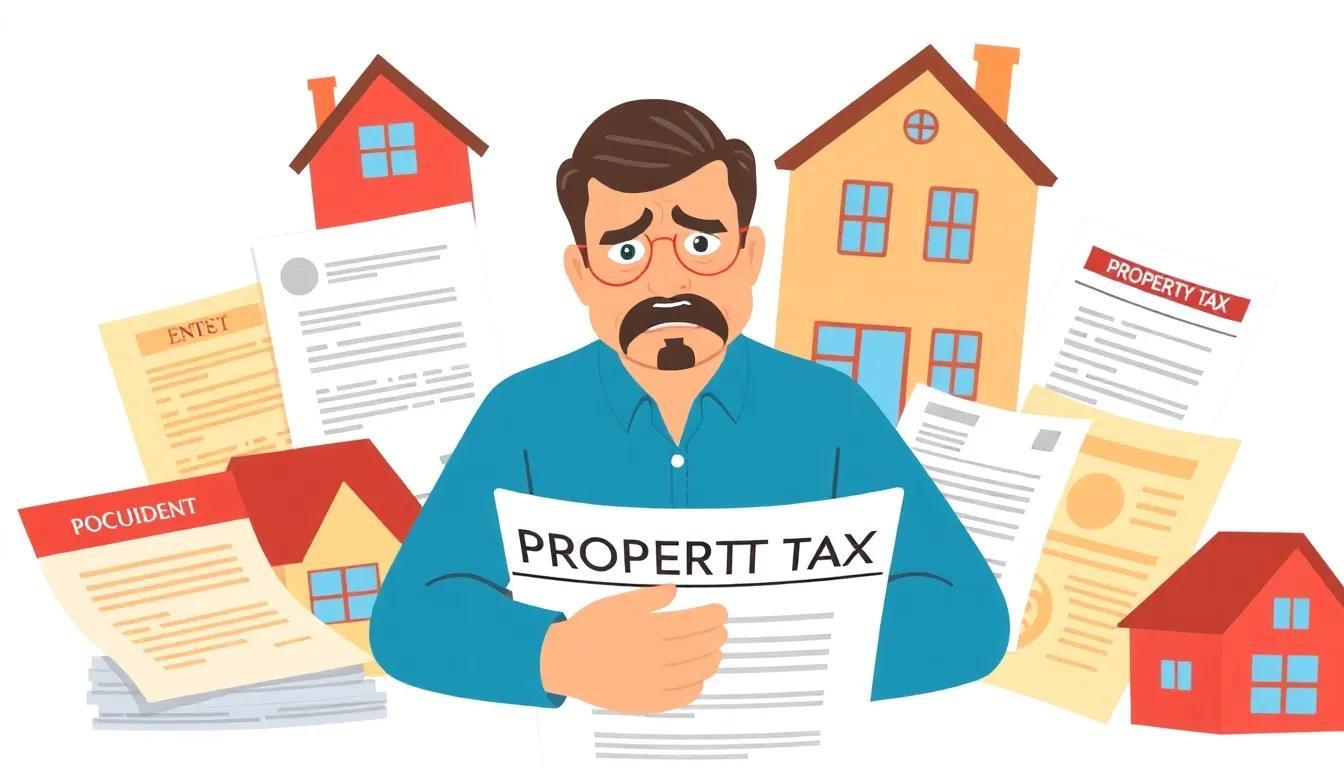
You're staring at your property tax bill for 2026, and it looks like it’s climbed another 10%. The knee-jerk reaction? File a property tax appeal and hope for some relief. But a traditional property tax appeal isn’t always the slam dunk you expect.
The process can be slow, complicated, and surprisingly risky—especially if you go in unprepared.
Why Traditional Appeals Leave Many Owners Empty-Handed
Traditional property tax appeals often demand more than just frustration and loyalty to your balance sheet. You’ll need page after page of supporting evidence, plus a solid grasp of local tax law. Unless you’re moonlighting as a legal expert, you’re likely hiring one—driving up your costs before you even get to the hearing.
In 2026, over 40% of property tax appeals were denied simply because owners couldn’t present strong enough evidence or navigate the red tape taxfightback.com. Too many owners walk away empty-handed, and poorer for the effort.
Take this cautionary example: a Texas property owner shelled out $2,000 fighting a steep assessment, only to end up with the exact same tax bill. That’s two grand gone, no savings in sight, and hours lost arguing at the assessor’s office.
The Hidden Costs: Not Just Legal Fees
Some services claim to work on contingency, but read the fine print. Many, like Ownwell, charge 25% of your tax savings as a fee. If you do win, a quarter of those “savings” are sliced off the top—often amounting to hundreds or thousands lost to middlemen appealdesk.com.
Then there’s your time. Filing a property tax assessment appeal is rarely as simple as filling out a form. You’re gathering comparable sales, pulling records from county sites like the sanmateocountytaxcollector.org property search, and prepping presentations. The learning curve is real—and so is the burnout.
Property Tax Appeal Alternatives: More Than Just 'Appeal or Bust'
If appealing feels like rolling the dice, look at the alternatives hiding in plain sight. Sometimes you can sidestep the drama by pursuing options like:
- Property Tax Reassessment Requests: If your property value nosedived or was overestimated, request a reassessment. This is often more straightforward than a formal appeal, and in many counties, you can initiate the process online. Just beware—knowing what triggers a property tax reassessment is half the battle.
- Tax Exemptions and Abatements: Seniors, veterans, and low-income homeowners may qualify for targeted exemptions. In states like California, digging into how to avoid property tax reassessment under Prop 19 can make a significant difference for inherited properties.
- Correcting Obvious Errors: Sometimes, assessors get property details wrong—square footage, room count, zoning. These simple mistakes can be fixed outside of full-blown appeals and lead to fast savings.
- Local Relief Programs: Certain regions run their own relief initiatives in response to market shocks. Sacramento property tax appeals, for example, often operate alongside disaster relief programs for owners hit by wildfires or other emergencies.
Filing a property tax appeal isn’t your only move—and often, it’s not even your best one. Smart owners think beyond “appeal or bust” and tap into reassessment requests, tax exemptions, and error corrections first.
The Bottom Line
Chasing an appeal is sometimes warranted. But in 2026, with nearly half of appeals getting shot down, wise investors and property managers are rethinking their strategy. Explore all the property tax appeal alternatives—especially those that save you money, time, and stress before ever stepping into a hearing room. Sometimes, the best move is the one that doesn’t involve an appeal at all.
Want more insights into options like property tax reassessment or how to avoid property tax reassessment in California? There's plenty to explore before you reach for those legal forms.
How Do Property Tax Reassessments Work?

A property tax reassessment reviews your property’s market value and can adjust your taxes—often without dragging you through a full appeal process. That’s a lifesaver when your formal appeal hits a dead end, or when you spot something off with your assessment but dread clashing with county bureaucracy.
Picture this: you’ve just poured hours into a property tax assessment appeal, assembled comps, cited recent sales, and marched through the paperwork maze. The result? A canned rejection letter. No explanation. No tax relief. Unfortunately, over 80% of property tax appeals end up exactly like that—no meaningful reduction, according to the National Taxpayers Union. So, what next? Here’s where property tax reassessment steps up as a smart, sometimes overlooked alternative.
What is a Property Tax Reassessment?
A property tax reassessment is a formal review where the county reassesses your property’s market value. If your value is found to be out of line—too high for current conditions—your taxable value (and tax bill) can get adjusted. This happens without launching a formal appeal, so you avoid the appeal headaches.
Counties themselves sometimes trigger reassessments, but as a property owner, you’re not powerless—there are situations where you can request one directly. Especially in states like California, where the rules are strict, but a savvy property owner can still gain the upper hand.
What Triggers a Property Tax Reassessment?
Curious what triggers a property tax reassessment? In California, it happens when:
- You purchase a property or transfer ownership (that Prop 19 question everyone’s asking: “how to avoid property tax reassessment california prop 19?”—that’s the law)
- Major new construction or significant improvements are made
- There’s a decline in your property’s market value (hello, downturns—or if your neighborhood takes a hit)
- The county launches a blanket review due to shifting market trends
Other states have similar—but often less transparent—triggers. Still, the principles hold: when the facts change, so can your assessment.
Reassessment vs. Appeal vs. Exemption: What's the Difference?
Let’s clarify the alternatives, because “property tax appeal alternatives” is more than a buzz phrase:
- Reassessment: Fastest route if your assessment is simply outdated. You might get an adjustment without formal hearings or courtrooms.
- Appeal: You challenge the county’s value through a legal process, present evidence, and argue your case. It’s time-consuming, and fewer than 20% win a big reduction. Not ideal if you want quick or predictable results.
- Exemption: Only for certain qualifying owners (seniors, disabled veterans, charities, etc.). Worth checking, but not a lever everyone can pull.
You’d be shocked how many owners skip reassessment options entirely, throwing time and money into appeals when a straightforward review could fix their bill.
When Should You Request a Reassessment?
Here’s when a reassessment makes sense:
- Market conditions have changed. If nearby homes (“comps”) are selling for much less, your value may be artificially high.
- Damage or decline. Fire, flooding, or long-term vacancies can slash a property’s value, but the county doesn’t always catch it.
- You inherited or bought the property. California’s San Mateo County Tax Collector property search tool, for example, can show public record changes after a transfer—flagging properties due for reassessment.
- Recent construction or remodeling. Not always bad—sometimes your tax base can even go down after certain improvements, depending on local rules.
Key Takeaway
Not every high assessment requires battle-armor and a formal “property tax assessment appeal.” A reassessment is often the quick fix, especially when market values shift or your property changes hands. In California, watch those triggers: Prop 19 and recent construction can mean automatic reassessment—so use the rules to defend your wallet.
For more nuanced scenarios and the pros/cons of each approach, see this property tax relief guide.
Ignore the advice that says you only have one shot—there’s more than one way to win a fair property tax bill in 2026.
What Are the Best Tax Exemptions for Property Owners?
Tax exemptions lower the taxable value of your property, which directly reduces your final tax bill. For property owners looking to manage rising assessments, exemptions are often the most reliable, least stressful alternative to the traditional property tax appeal process.
Here's the reality: Millions of Americans face eye-popping property tax increases every year, and exemptions are where many people can fight back. In 2023, more than 30% of U.S. counties ran property tax reassessments, impacting millions of homeowners. You can’t predict when your property will be reassessed, but you can plan ahead—and the right exemption can save you thousands over the long haul.
How Do Property Tax Exemptions Work?
A property tax exemption is a reduction applied to the assessed value of your property, meaning your tax bill is based on a lower value. The lower your taxable assessed value, the less you owe—no appeal forms, no court visits, and no waiting months for a decision.
Homestead exemptions are one of the most accessible. In dozens of states, homeowners can chop $25,000 off their property's taxable value just by claiming their primary residence. That’s not a rounding error—that can translate to $500 to $1,500 off your annual bill, depending on your local tax rate.
Then you’ve got specialty exemptions—in many states, veterans, seniors, people with disabilities, or surviving spouses qualify for additional cuts. And these aren’t token gestures. Some seniors in high-tax states routinely save $1,500 or more per year; one case out of Florida in 2025 involved a retiree reducing her taxes by nearly $1,500 just through a senior exemption applied after a reassessment of property taxes.
These aren’t just for individuals, either. If you own multiple properties, some states let you claim limited exemptions (like senior or veteran status) across several properties, multiplying your savings—though this varies and you’ll want to double-check your county rules.
Comparing the Most Common Property Tax Exemptions
There’s no one-size-fits-all answer—each exemption has its own criteria, paperwork, and potential savings. Here’s a direct comparison of how the main property tax exemption options stack up for homeowners, investors, and property managers in 2026:
- Homestead — Typical Reduction: $25,000–$50,000 off · Eligibility: Primary residence owners · States Most Common: FL, TX, GA, OH, MN · Annual Savings Estimate: $500–$1,500+
- Senior Citizen — Typical Reduction: 10–50% off assessed value · Eligibility: Age 65+ (some states 62+) · States Most Common: FL, NY, IL, CA · Annual Savings Estimate: $1,000–$3,000+
- Veteran — Typical Reduction: Up to 100% off (severely disabled) · Eligibility: Service veterans, status varies · States Most Common: TX, IL, CA · Annual Savings Estimate: $1,200–$5,000+
- Disabled / Surviving Spouse — Typical Reduction: $5,000–full exemption · Eligibility: Permanent disability, surviving spouse · States Most Common: OH, NJ, TX · Annual Savings Estimate: $750–$3,500+
Homestead is the easy entry point. As long as the property is your main home, you’re likely eligible. But don’t ignore the real gold—the senior exemption. Once you hit 65, states like Florida and California pile on additional reductions, and that’s money straight back in your pocket.
Veterans, especially those with full or partial disability ratings, have some of the most generous exemptions on the books. In Texas, a 100% disabled veteran owes zero property taxes. That’s not just savings—it’s a permanent reset on your tax bill, regardless of future market spikes.
Want to see exactly how one exemption compares to another based on your property’s location? Many counties offer free property search tools—like sanmateocountytaxcollector.org property search—so you can estimate your savings before you file.
Bottom Line
Exemptions are hands-down the fastest way to cut your property tax bill without the risk and headache of a property tax assessment appeal. Homestead, senior, and veteran exemptions should be your first line of defense. Don’t just wait for your next tax bill—get proactive now, and you may never need to appeal your taxes again.
For further details on available exemptions and how they compare, visit resources like Tax Policy Center.
Can Professional Services Offer Better Alternatives?
Professional services can absolutely offer better alternatives to the basic property tax appeal process—especially for property owners overwhelmed by technicalities or frustrated with inconsistent results.
Navigating a property tax assessment appeal gets complicated fast. Whether you’re dealing with a commercial building in Sacramento or a residential duplex in San Mateo County, the maze of local rules, deadlines, and paperwork leaves little margin for DIY missteps.
How Do Professional Services Find Hidden Savings?
Professional tax appeal firms and consultants do more than file paperwork. They’re strategic partners who understand local tax statutes, know which reassessment triggers to avoid, and negotiate directly with county assessors for you. This approach goes way beyond simple appeals.
For example, one property management firm trimmed a client’s tax bill by 15% after uncovering data inconsistencies the owner missed. Instead of a generic appeal, the pros built a custom case: analyzing neighborhood comparables, lobbying for a lower valuation, and leveraging state-level exemptions many property managers never think to check.
It’s not about “gaming the system”—it’s about using every legal option in the book to make sure you’re not overpaying.
What Can Pro Services Do That DIY Can’t?
Let’s get specific. Here’s a breakdown of what pro services bring to the table:
- Hands-on Negotiation: They connect directly with your county assessor’s office, sometimes securing reductions without a formal hearing.
- Data-Driven Strategies: Using in-depth sales data, market trends, and proprietary analytics tools that go far beyond a sanmateocountytaxcollector.org property search.
- Customized Exemption Reviews: They know what triggers a property tax reassessment and how to structure property transfers—especially under California Prop 19—so you legally avoid unnecessary spikes.
- Process Automation: Some firms pair expert review with automated data gathering, finding anomalies in your assessment most owners will miss.
The bottom line? DIY appeal often means missing out on less obvious relief options. Professional services are especially worthwhile for high-value or complex portfolios.
DIY vs. Automated vs. Professional: What’s the Real Difference?
Compare these three common property tax appeal alternatives to see what you’re missing (or overpaying for):
- Cost — DIY Appeal: Free (except your time) · Automated Tools: Often 20-30% of savings · Professional Services: 25-35% of savings, sometimes flat fee
- Expertise Required — DIY Appeal: High · Automated Tools: Low · Professional Services: None for client
- Data Depth — DIY Appeal: Basic—public records · Automated Tools: Moderate—pulls more comps · Professional Services: Deep—proprietary data, expert analysis
- Negotiation with Assessor — DIY Appeal: You · Automated Tools: Rarely (if ever) · Professional Services: Yes, frequently
- Pre- and Post-Appeal Planning — DIY Appeal: Nope · Automated Tools: Minimal · Professional Services: Yes—future triggers, exemption reviews
- Success Rate (Typical) — DIY Appeal: 15-30% · Automated Tools: 25-40% · Professional Services: 40-65%*
- Time Investment for Owner — DIY Appeal: Hours to days · Automated Tools: 10-30 minutes · Professional Services: Minimal—pros handle it all
\* Estimated based on industry analysis and interviews with appeal pros.
Where Do Automated Tools Fit In?
Automated property tax appeal tools like AppealDesk and Ownwell offer a middle ground, letting you upload info and algorithmically searching for assessment errors. They’re quick, cheap, and low hassle—but they can’t match a seasoned pro’s eye for hidden legal strategies or accommodate complicated scenarios, especially if you’re juggling multiple parcels or unique property types.
Still on the Fence? Here’s What to Ask
Before you pick your route, be brutally honest with yourself:
- How much time and expertise do you have to spare?
- Are your properties simple enough for plug-and-play software, or do they need strategic review?
- Do you know all the exemptions (like the Homestead Exemption) you might qualify for?
- Are you willing to negotiate directly with the assessor, or would you prefer an expert to carry the flag?
▶ Revenue Board of Appeals Online Petition Center Legislative Training
Key takeaway: Professional services provide depth and hands-on advocacy most owners simply can’t replicate—especially when local tax codes, like in Sacramento property tax appeals, change by the year.
If you’re tired of surprise spikes and missed savings, this is the year to upgrade your approach to property tax assessment appeal. The right expert can turn a confusing process into a genuine financial win.
How to Leverage Technology for Property Tax Savings
Technology makes it easier than ever to find property tax savings, even without filing a formal property tax assessment appeal. Powerful software can analyze your property data, flag missed exemptions, and check for opportunities before you’re stuck overpaying for another year.
Take the story of a real estate investor in Sacramento with a portfolio spread across several cities—a prime candidate for confusion thanks to California’s patchwork of rules and what triggers a property tax reassessment in different counties. In 2026, this investor relied on a tool like AppealDesk instead of sifting through public records at the "sanmateocountytaxcollector.org property search" portal or navigating the recurring Sacramento property tax appeals circus. The result? Over $3,000 saved by catching outdated valuations and eligibility for a solar energy exemption that went unnoticed by the county.
Here’s how the right tech cuts out the guesswork. Software platforms analyze your property’s public record data alongside current sales and tax rules, flagging mismatches—often in seconds, not weeks. You see exactly where your assessment looks inflated compared to similar properties or where a new law opens the door for an exemption you didn’t realize applied to you.
It’s not just hype. According to a 2022 survey, property owners leveraging professional software and platforms saw an average 18% greater reduction in property taxes than those who took a pure DIY approach, hunting down details and filing paperwork alone (Tax Policy Center). That’s real money, whether you’re dealing with five-unit multifamily buildings or a single rental house.
The process usually starts with a quick data sync. Enter your address—sometimes the system pulls data straight from county records or the latest "reassessment of property taxes" database. Next comes automated analysis: tech like AppealDesk compares your historical tax record, recent property tax reassessment history, and even exemption eligibility based on changes in your property profile. Missed something after a costly remodel? The platform flags it before your "california property tax appeal filing fee 2026" comes due—saving you the headache and the out-of-pocket costs.
You’re no longer just hoping your local assessor’s office got your value right. Smart algorithms pinpoint issues, letting you act quickly—whether that means filing proactively or just fixing simple clerical errors. Platforms also simplify tracking upcoming changes, such as how to avoid property tax reassessment under California Prop 19, so you keep your breaks year after year.
A major edge is scalability. Investors and property managers juggling dozens of assessments can spot savings portfolio-wide, not just on one parcel. The software reviews all assets, highlights outliers, and helps you prioritize which appeals or exemption applications will get you the biggest win for your time and effort.
If you’re still using spreadsheets or shuffling PDF records, you’re getting outpaced. The winners in 2026 use data-driven tools to make sure every available tax break is on the table.
The bottom line: Technology streamlines every step of identifying and securing property tax savings. It delivers results that manual research and haphazard appeals just can’t match. Skip the paperwork drudgery and endless phone calls—let the right software surface savings automatically, and you’ll keep more in your pocket year after year.
Future Trends: What to Expect in Property Tax Management
Digital transformation isn’t just a buzzword—property tax management is changing fast, and anyone still relying solely on paper appeals or gut instinct will lose tens of thousands in the next few years. If you want to maximize your tax savings in 2026 and beyond, staying ahead of emerging tech and regulatory shifts isn’t optional. It’s essential.
Will AI Replace Traditional Property Tax Appeal Alternatives?
AI-driven tools are already shaking up the way property tax appeals and reassessments are handled. By 2027, expect AI to move from "nice-to-have" to "must-have" for spotting discrepancies and automating documentation in property tax assessment appeals. Machine learning platforms can scan recent sales, zip through countless assessment records—even pull comps from sources like Zillow faster than any old-school method allows.
Here’s a hard truth: manual research is now the expensive route, both in time and outcome. According to Deloitte, 65% of property tax pros now use specialized software to sniff out savings opportunities. That number’s only rising. These platforms help unearth incorrect property details, drive precise reassessments, and can even predict the probability of winning different types of appeals before you spend a dime on filing fees.
How Blockchain Could Disrupt Transparency in Assessment
Consider this: blockchain isn’t just for Bitcoin and bored techies. Its big promise in real estate is tamper-proof, open assessment records. Imagine a scenario where every change to your property tax record is logged, timestamped, and directly auditable by you—no more guessing about "what triggers a property tax reassessment" or waiting on opaque county decisions.
This level of transparency isn’t science fiction. Counties across the US are already piloting blockchain-backed ledgers, and by 2028, broader adoption will likely force legacy systems to catch up. For you, that means easier verification of assessment changes and a faster path to dispute errors or unfair triggers of a new "reassessment of property taxes."
Will New Laws Change the Game in 2026?
You can’t afford to ignore the legislative side. Several states are primed to overhaul their property tax regimes this year. Pending bills seek to expand exemptions (especially for seniors and energy-efficient upgrades) and tighten up triggers for reassessment—direct responses to the barrage of "sacramento property tax appeals" and complaints logged over the past years.
Watch out for changes to Prop 19 in California. Court battles and advocacy groups are pushing for clearer guidelines on "how to avoid property tax reassessment california prop 19" loopholes. If lawmakers close these gaps or clarify their application, bulk reassessments might get easier—or harder—depending on your property profile.
The bottom line: Staying informed on these trends isn’t just academic. It gives you a massive edge in protecting your investments and maximizing tax savings.
Comparing the Main Alternatives for 2026
You’ve got options, but not all are built for the next wave of property tax disruption. Here’s how key alternatives stack up right now:
- DIY (Self-Researched) — Cost Structure: Free (filing fees only)[^1] · Efficiency (2026): Slow, manual · Tech Integration: Low · Ideal User Profile: Owners with time/knowledge
- Professional Advocacy Services — Cost Structure: 20-35% of savings · Efficiency (2026): Fast, high win rates · Tech Integration: Moderate (case by case) · Ideal User Profile: Complex commercial/residential
- AI-Driven Software Platforms — Cost Structure: Subscription or success fee · Efficiency (2026): Fastest, highly accurate · Tech Integration: High · Ideal User Profile: Scale investors, busy managers
- Blockchain-Enabled Assessment Portals — Cost Structure: TBD (pilot phase) · Efficiency (2026): Emerging · Tech Integration: Highest (potential) · Ideal User Profile: Tech-forward early adopters
[^1]: See breakdown by AppealDesk
Right now, AI-powered platforms outpace pure DIY or legacy service providers in speed and insight, especially when dealing with complex portfolios or multi-county assets. Blockchain-backed portals are still in their infancy—useful to watch, not quite ready to trust with your annual appeal just yet.
How to Stay Ahead of the Curve
Stop treating property taxes as a yearly afterthought. Automated tools and industry trackers can alert you to local legislative changes, flag new exemptions, and even crawl sites like sanmateocountytaxcollector.org property search for errors or appeal opportunities. With reassessments becoming more frequent, especially in urban and high-growth regions, expect your ability to act quickly to make or break your returns.
Key takeaway: Embrace digital property tax appeal alternatives now, or risk getting blindsided by smarter competition and tighter regulations in the years ahead.
Rethink Your Property Tax Strategy
There’s more to managing your property tax bill than filing an appeal—modern property tax appeal alternatives like reassessments, exemptions, and leveraging smart technology can unlock new savings opportunities. Start by reviewing your property’s current assessment and researching all local tax relief programs. Don’t overlook the power of automation and data analytics to spot discrepancies or identify exemptions you might have missed—tools like Property Tax Reduction Services | Lower Your Property Taxes can help streamline the process and maximize your results. Staying proactive and informed is your best bet for getting ahead of costly tax hikes. Embrace these strategies now, and you’ll be well-positioned to navigate future changes with confidence.
For a deeper dive on filing and preparing evidence for appeals when you do decide to go that route, check out how to prepare property tax appeal evidence and expert property tax appeal tips to avoid common pitfalls.
Written by Team LowPropTax
Empowering property owners with the data and strategies needed to successfully appeal unfair assessments and achieve permanent tax relief.